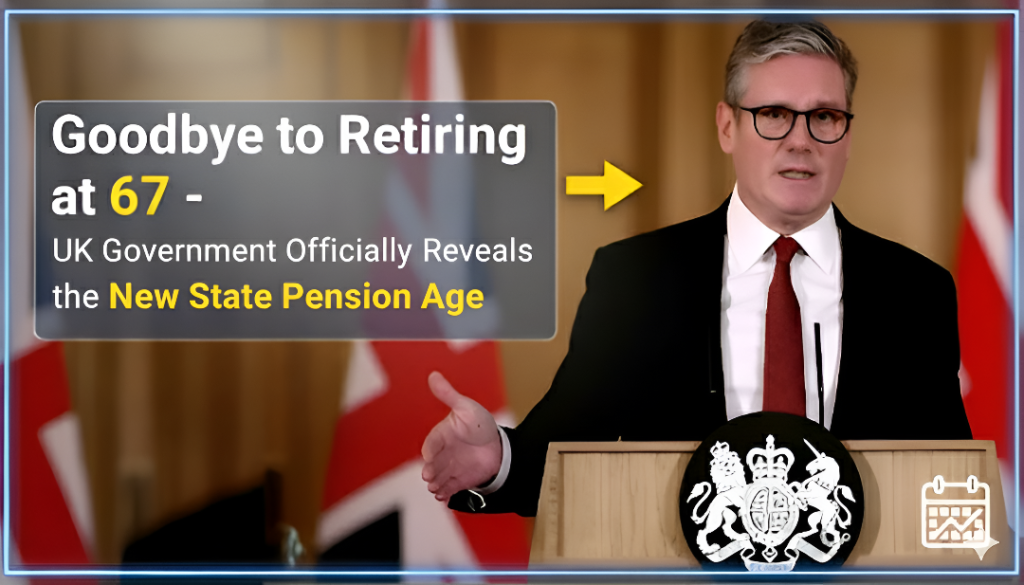
The UK Government has officially confirmed a major update to the State Pension Age, bringing a significant change for millions of workers and retirees. The long-established retirement age of 67 is now being replaced under newly updated rules, with the change expected to apply to those born after specific cut-off dates. This reform has been introduced to reflect rising life expectancy, increasing healthcare demands, and overall shifts in economic conditions. As a result, workers are strongly encouraged to reassess their retirement plans and understand how the new pension age could affect future financial stability.
Why the Government Has Changed the Pension Age
The government explained that the decision to revise the State Pension Age stems from increasing pressure on public finances and the growing number of people living longer than previous generations. With retirees claiming pensions for more years, the current system requires adjustments to remain sustainable in the long term. Officials also stated that the updated pension age aligns with demographic trends showing healthier and longer post-retirement lives. By doing this, policymakers aim to create a balanced system for both younger workers and older citizens.
Who Will Be Affected by the New Pension Age?
The updated pension rules are expected to impact workers currently in their early 50s or younger, as they will likely fall under the new age criteria. Those approaching the previous retirement age of 67 might still be eligible under older regulations, but individuals born after the newly assigned cut-off will have to wait longer. This shift will affect millions, especially those without private savings or with incomplete National Insurance contributions. The government recommends checking NI records and making early preparations to avoid income gaps in the future.
What Will the New State Pension Age Be?
Although the exact new pension age has not been formally released, early government reviews suggest it may rise to between 68 and 70, depending on birth year and economic affordability assessments. A final announcement is expected soon after the next pension age review is completed. The transition to the updated age will be gradual, ensuring people have time to adjust. Officials reassured that clear guidance will be provided to help citizens understand how and when the new age requirement will apply to them.
How Much Could Workers Lose or Gain Due to the New Pension Age?
The revised pension age could result in both benefits and setbacks for different groups of workers. Those nearing 67 may face delays in receiving pension payments, temporarily affecting their retirement income. However, younger workers might benefit from extra years to increase pension contributions, potentially building a stronger fund for later life. Financial experts believe that transitional support may be introduced by the government to help affected individuals manage the financial impact during the shift in pension age rules.
Will the Pension Age Increase Again in the Future?
Experts say the State Pension Age could rise again in the coming years due to rising life expectancy and increasing pressure on pension spending. The government has already confirmed that additional reviews will take place before 2030, which could affect younger generations. While no final decision has been made on future increases, officials maintain that ongoing evaluations are necessary to keep the pension system financially sustainable. For this reason, workers are advised to stay informed and be prepared for long-term changes.
How Will the New Pension Age Affect People with Health Issues?
Raising the State Pension Age may create difficulties for older workers dealing with long-term health problems or reduced physical abilities. Many individuals rely on early retirement to manage chronic illnesses, and delays could add financial and emotional strain. The government has suggested that exemption categories or early access options could be considered for people with severe medical conditions. Until full details are confirmed, those with ongoing health needs are encouraged to plan financially and monitor government updates closely.
Impact on Women Approaching Retirement
Women nearing retirement age may feel the effects of the new rules more significantly, especially those who took career breaks for childcare or family responsibilities. Gaps in National Insurance contributions may reduce the total pension amount, making delayed retirement more challenging. The government is reviewing whether transitional support measures should be offered to women affected by previous pension age changes. Experts recommend checking pension forecasts early and making voluntary contributions if needed to avoid future income shortages.
How the New Rule Will Affect Part-Time and Low-Income Workers
Part-time and low-income workers are among the groups most likely to feel financial pressure from the new pension rules. Many rely heavily on the State Pension as their main retirement income and may struggle to work for additional years. The government encourages such workers to take advantage of workplace pension schemes, automatic enrolment, and savings programs. Financial advisors also recommend creating a clear budget plan and building emergency savings to manage any financial stress caused by the increased pension age.
What Workers Should Do Now to Prepare for the New Pension Age
As the State Pension Age rises, experts strongly advise workers to take proactive steps to secure their financial future. This includes checking National Insurance records, taking part in workplace pensions, increasing contributions if possible, and exploring long-term investment options. Younger workers are encouraged to start saving early to benefit from compound growth, while those approaching retirement may need personalised financial advice to adjust their plans. Preparing early will help reduce stress as the updated pension rules take effect.
Conclusion
The UK Government’s decision to replace the traditional retirement age of 67 marks one of the biggest pension changes in recent years. Millions of workers will need to revisit their savings plan, career timeline, and retirement expectations. Although the transition may bring challenges, it also offers opportunities for younger generations to build stronger financial security. As the government prepares to release the final confirmed pension age, staying informed will be essential for anyone planning for retirement.