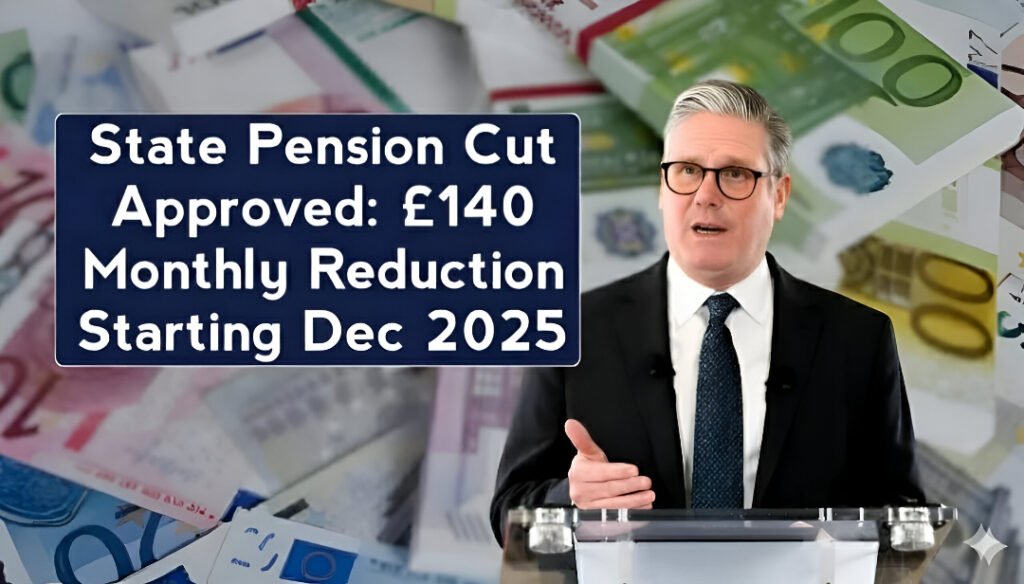
The UK government has officially announced a major change to the State Pension structure that will directly impact thousands of pensioners across the country. Starting 5 December 2025, State Pension recipients will face a £140 monthly reduction in their payments. This adjustment has raised nationwide concerns, especially among retirees who depend heavily on this financial support for their basic living needs. In this article, you’ll find the complete details, reasons behind the cut, its impact on pensioners, and expert guidance on how to prepare for the change.
What Is the UK State Pension?
The UK State Pension is a regular payment designed to support individuals who reach the official State Pension age. It is based largely on a person’s National Insurance contributions, determining how much they are eligible to receive. For millions of retirees, the State Pension forms the backbone of their retirement income, helping them meet essential day-to-day expenses. With the new £140 reduction coming into effect, understanding the system and knowing how your pension is calculated has become more important than ever.
Details of the £140 Monthly Reduction
The most significant update is the £140 deduction per month, which will be applied to all new and existing State Pension recipients from 5 December 2025. This means pensioners will see a noticeable drop in their income starting from the December payment cycle. The government explained that the reduction is part of a broader reform aimed at balancing the national budget and maintaining the sustainability of the pension system. However, for many retirees, this adjustment will require thoughtful financial planning to manage monthly expenses effectively.
Reasons Behind the Pension Cut
Several key factors have influenced this decision. The UK is facing economic pressure, driven by inflation, increased public spending, and rising debt levels. Additionally, a growing elderly population, combined with fewer working-age contributors, has placed strain on the existing pension framework. According to government statements, the cut is intended to stabilize the pension fund and ensure long-term reliability. While the reasons may be strategic, the reduction will undoubtedly challenge retirees who rely on fixed incomes.
Impact on Pensioners
The financial impact of the £140 reduction will be felt most by pensioners who depend primarily on the State Pension to manage monthly expenses. Rising costs of essentials—such as food, electricity, rent, and healthcare—mean that even a small reduction can significantly affect daily life. Many retirees may need to re-evaluate their spending priorities, reduce non-essential costs, or explore additional sources of financial support. Understanding available government assistance schemes will be crucial in helping pensioners offset this reduction.
Government Response and Guidance
To support pensioners during this period of change, the Department for Work and Pensions (DWP) has offered guidance on how individuals can manage their finances more effectively. Pensioners are encouraged to regularly check updates related to State Pension changes, apply for additional benefits if eligible, and consult official government resources for personalized advice. While the reduction is unavoidable, staying informed and proactive can help retirees maintain financial stability.
Coping Strategies for Pensioners
Handling a sudden income drop requires careful planning. Pensioners can start by creating a detailed monthly budget, focusing on necessary expenses and identifying areas where savings can be made. Exploring part-time work or small income-generating activities may also help balance the financial gap. Community organizations, local charities, and support groups often provide free financial advice and assistance programs specifically designed for retirees. By combining multiple strategies, pensioners can effectively manage the reduced pension amount.
Expert Advice on Financial Planning
Financial experts strongly recommend that pensioners evaluate their long-term financial plans ahead of the December 2025 change. This includes reviewing private pensions, savings, investments, and other available income streams. Consulting a certified financial advisor can provide clarity on how to make the best use of existing resources. Experts also highlight the importance of applying for government aids such as Pension Credit, Housing Benefit, and Council Tax Support, which can significantly ease the financial burden created by the £140 reduction.
How the Cut Affects Couples and Households
The impact of the pension cut extends beyond individuals—it also affects couples and multi-person households that depend on a combined pension income. Couples may need to re-evaluate shared expenses, adjust savings plans, and explore additional benefits available specifically for joint households. Proper financial communication and planning within families become essential to ensuring that daily expenses, medical costs, and future needs are managed without financial stress.
Preparing for Future Pension Adjustments
Since economies and policies evolve over time, pensioners should also prepare for possible future changes in the State Pension. Monitoring government announcements and understanding how economic shifts may influence pension payments can help retirees stay ahead. Diversifying income sources and maintaining a small emergency fund can provide valuable financial security in the event of future adjustments. Being prepared reduces uncertainty and ensures retirees remain financially confident.
Conclusion
The £140 monthly reduction in the UK State Pension, effective from 5 December 2025, will have a significant effect on the financial stability of pensioners across the country. While the government cites economic and demographic reasons for the change, this adjustment highlights the importance of proactive financial planning. Pensioners are encouraged to review their budgets, explore all available benefits, and seek professional financial advice to manage the reduced income smoothly. With timely preparation and the right support, retirees can continue to maintain a stable and comfortable lifestyle despite this major policy shift.